

Community ideas projects
Seedbank / Seedling Nursery
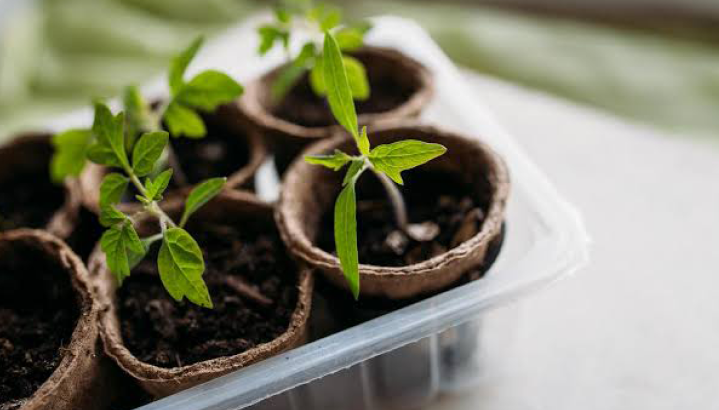
Form a group dedicated to collecting native seeds, identifying suitable land near a water source, and building a local community seedling nursery. While you’ll need some resources to construct a shade tunnel or shelter for the seedlings, the requirements are minimal, and much can be achieved with creativity and collaboration. Start by gathering information about local tree and shrub species, understanding their growth patterns, preferred habitats, and ecological roles will ensure successful planting.
Before planting, take time to observe the local wildlife and their food requirements. Design your efforts to support biodiversity by selecting plants that provide nourishment and habitat for native animals. For example, include species that produce fruits, nuts, or nectar to sustain birds, insects, and mammals.
It’s equally important to cultivate food trees for human consumption. These trees not only contribute to food security but also foster a deeper connection between people and the land. Don’t forget to grow flowering shrubs and trees that attract pollinators like bees, butterflies, and birds as these play a vital role in maintaining healthy ecosystems that support agricultural productivity.
Successful tree and shrub planting initiatives depend on having an abundant supply of seedlings ready for planting, as well as access to nearby water sources for irrigation. To meet this need, focus on growing thousands of seedlings, native trees, food trees, and flowering shrubs in your nursery. Organize regular tree-planting days to engage the community and expand your impact.
Involving children and local schools is a great way to inspire the next generation. Teaching kids about the lifecycle of plants, the importance of biodiversity, and the value of sustainable practices will give them a sense of responsibility and care for their environment. Hands-on activities, such as planting seeds or tending to seedlings, can help them develop a personal connection to nature and a vision for a healthier future.
If possible, create a seed catalogue to document the varieties you collect. Store surplus seeds in a cool, dry place, ensuring they remain viable for future planting and to protect from fire risks or other hazards. This practice not only preserves genetic diversity but also ensures a steady supply of seeds for ongoing restoration projects.
By taking these steps, your community can play a vital role in restoring ecosystems, supporting wildlife, and creating a sustainable future. Together, you’ll lay the foundation for a thriving environment that benefits both future generations and the planet’s ecology.
Tree Planting Days
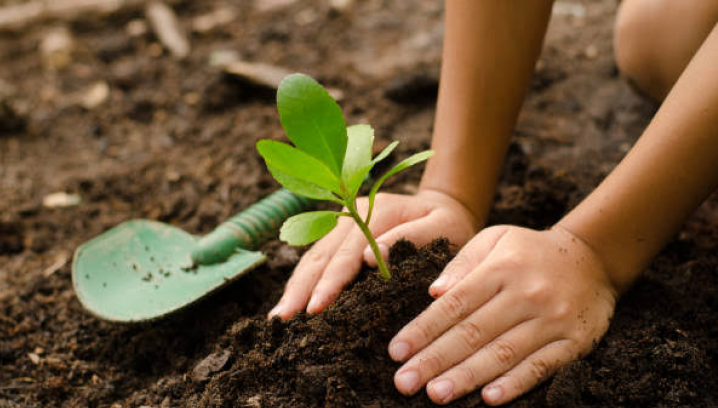
Planting trees in large numbers will be one of the most impactful actions we can take as a community to re-establish balanced local ecologies, restore biodiversity, and support native wildlife. Tree corridors and shaded waterways provide critical habitats and help create cooler microclimates in urban environments and cities, mitigating the effects of heatwaves and urban heat islands. Trees play a vital role in combating climate change by extracting carbon dioxide from the air and storing it as timber. They also absorb sunlight, release cool oxygen through photosynthesis, and improve air quality.
To ensure success you’ll need a steady supply of tree seedlings, both native species and other beneficial varieties. Start by establishing a seed bank and a community seedling nursery. Focus on growing trees that are native to your local area and suited to local habitats, as these species are best adapted to thrive and support the surrounding ecosystems. Once planted, implement a consistent watering and care program to nurture the young trees until they’re well-established. This massive effort to terraform and heal the land requires dedication, positivity, and collective action. Every step taken is a valuable contribution.
When planning your tree planting efforts, remember to include native flowering plants and trees to attract pollinators like bees, birds, and insects. These pollinators are essential for maintaining biodiversity and supporting food systems. Whenever possible, incorporate water traps and swales into your landscape designs to capture rainwater, restore natural waterways, and rejuvenate wetlands. These features replenish groundwater supplies and create thriving habitats for aquatic life and other species.
Throughout the landscape, establish diverse food sources for humans, animals, and insects. Plant fruit trees, nut trees, olive trees, legumes, and other edible plants to create abundant gardens that benefit both people and wildlife. By designing landscapes that nourish all forms of life, you’re building a legacy of abundance and sustainability for future generations. Those who come after us will remember and respect our efforts, recognizing the love and care we’ve invested in creating a better world for them.
Together, we can transform barren or degraded landscapes into vibrant ecosystems that reflect harmony, resilience, and inspiration. Start now, stay committed, and inspire others to join you in this mission.
Plastic Collection
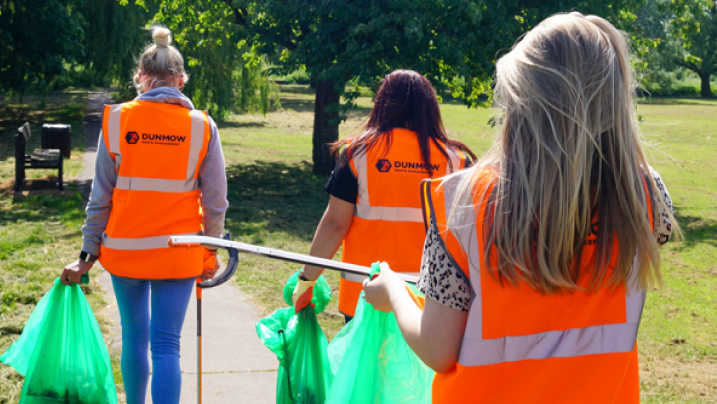
Once a month gather members of your local community, involve children and schools, and mobilize teams to collect plastic and paper waste. This simple yet impactful initiative can significantly reduce the amount of trash that ends up in our oceans. Pay particular attention to areas where waterways merge into streams and rivers, as these are critical points where waste often accumulates before being carried downstream. During seed collection outings or tree-planting days, bring along containers to collect plastic waste, turning every activity into an opportunity to care more comprehensively for the environment.
Consider reaching out to your local government representative for support. Their assistance could provide resources such as gloves, trash bags, or safety equipment, making the cleanup efforts safer and more effective. If you’re working near roads or traffic, ensure everyone wears high-visibility safety vests to stay visible and protected. On local beaches, follow the high-tide line to collect plastic debris, especially after storms when large amounts of waste are often washed high ashore. If possible, aim to collect all visible particles, even those as small as a few millimeters. These tiny fragments, often referred to as microplastics, pose significant threats to marine life and ecosystems.
These activities clean up our environment, nourish the soul, foster a sense of purpose, and help build strong, connected communities. Children who participate in these efforts learn valuable lessons about responsibility, teamwork, and respect for the natural world. By engaging in hands-on environmental care, they develop healthy attitudes and a deeper understanding of their role in protecting our living planet.
Together, these collective actions create a ripple effect of positive change. They reduce pollution and inspire others to take notice and join in. Every piece of plastic removed, every child educated, and every community strengthened brings us a step closer to a healthier, more sustainable and harmonious future.
.
Community Gardens
This experience offers a first-hand understanding of the importance of giving and receiving, a key principle that lies at the heart of the circular ecology of our planet Earth, and the fundamental reason we even exist here. By bringing people together to create community food gardens in your area, you can take meaningful steps toward improving food security for local people while fostering a deeper connection to the natural world.
Mass production, industrial farming, greed, and carelessness have led to the overuse of pesticides, herbicides, and synthetic fertilizers in our food systems. Large-scale corporate farming often prioritizes profit over the health and nourishment of people, blinding them of the very purpose food should serve. This shortsighted approach has resulted in traces of harmful chemicals in supermarket produce, contributing to unhealthy bodies and ecosystems. Everywhere we look, we see the consequences, rising rates of chronic illnesses, environmental degradation, and a growing disconnect between people and the source of their food.
This is not the future any of us would wish for, nor is it a system that can be sustained indefinitely. The good news is that change begins at the local level. Start by promoting and supporting locally grown food, farmers markets, and community gardens. These initiatives empower individuals and communities to take control of their food supply, ensuring access to clean, nutrient-rich food which nourishes our bodies and souls. By choosing locally sourced produce, you also help reduce the environmental impact of transporting food over long distances and support small-scale farmers who prioritize sustainable practices.
This collective action sends a powerful message to corporate farmers to reconsider their priorities. Is their objective to place money above people, or people above money? The former clearly fails, harming both human health and the environment while the latter succeeds in creating a thriving, sustainable future for all. When enough people demand healthier, ethically produced food, corporations will be forced to adapt or risk becoming irrelevant.
By planting seeds both literally and metaphorically, you are contributing to a movement that values life, health, and sustainability over profit. Together, we can create a world where clean, nourishing food is accessible to everyone, and where the principles of giving and receiving guide us back to harmony with the Earth and each other.
Regenerating Wetlands
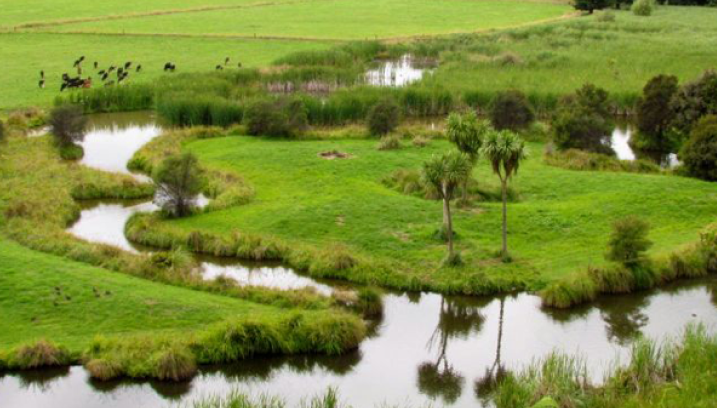
Wetlands are natural wonders teeming with thriving biodiversity, and should be a primary focus for rewilding local environments, including in urban and city spaces. These vital ecosystems have been severely impacted by farming, urbanization, and development, with many wetlands, streams, and waterways destroyed or buried under concrete during the construction of towns and cities. However, some groups have achieved remarkable success in restoring these waterways and wetlands, reviving areas that were once lost to urban expansion. Restoring these ecosystems creates cooler microclimates, provides essential habitats, and opens up inviting spaces where local birds, animals, and people can return to rest by the water and enjoy the cooling shade of trees.
Given their immediate and substantial impact, restoring wetlands and waterways should be one of the first steps toward transforming and terraforming our planet back to its pristine state. Wetlands play a critical role in revitalizing local microclimates, offering food and water for native animals and insects, and attracting wildlife back to degraded areas. Beyond their ecological benefits, wetlands contribute to the regeneration of a healthy planetary ecology, foster a sense of well-being in local communities, create natural barriers for flood protection, and act as natural water filters, removing pollutants and toxins from the water.
Restoration efforts should also prioritize creeks, tributaries, and other water systems surrounding wetland areas. By doing so, we enhance biodiversity and establish urban recreational spaces where children and adults can connect with nature. These green spaces promote peaceful coexistence between humans and wildlife, encouraging communities to value and protect the environment.
The restoration of wetlands is an ecological imperative, and a social and cultural imperative as well. In integrating these natural systems into urban planning, we can create healthier, more resilient cities while honoring the intrinsic connection between humanity and the natural world. This transformative approach will pave the way for a sustainable future, ensuring that both people and the planet thrive together, which is the only way both will survive.
Community Care Group
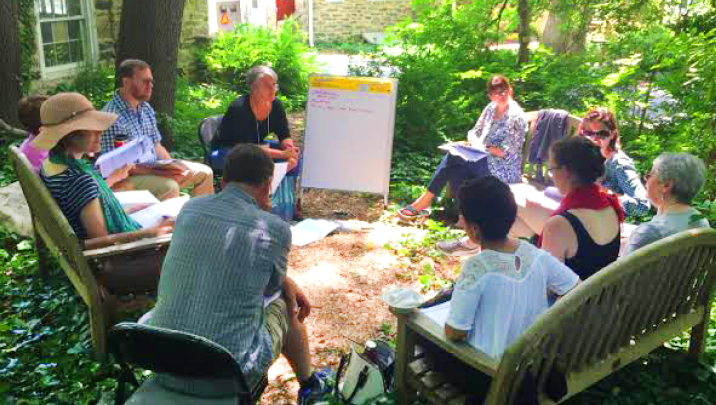
Start a community care group by bringing people together on a regular basis to discuss local issues and collaborate on ways to rebuild and improve your immediate environment. Don’t wait for politicians or authorities to take the lead, empower yourselves to act within your own communities. Some of the projects outlined in this section provide starting points for revitalizing our planet at the local level. These initiatives are particularly valuable because every community has unique needs and challenges. By identifying what your community needs most, you can tailor efforts to create a meaningful, lasting impact.
Planting trees, cleaning up local waterways, establishing community gardens and restoring native habitats addresses environmental concerns and foster a sense of unity and shared purpose. As you work together, you’ll likely discover new opportunities to strengthen your community, like creating green spaces for recreation, improving access to fresh food, or educating others about sustainable practices.
Taking action at the grassroots level is powerful because it demonstrates that change begins right where you are standing. Small, consistent efforts will ripple outward, inspiring others and creating momentum for broader transformation. Focusing on the well-being of your local environment and community contributes to the global movement toward a healthier, more sustainable planet. So gather your neighbors, assess your community’s needs, take those first steps toward helping your community thrive and flourish for the benefit of everyone and our planet.
Clean Water
We can’t move forward as a society without clean water, and this should be a top priority for every individual, group, business, enterprise, and government on this planet. However, in the absence of widespread common sense or action from larger entities, it is up to us to take steps to clean up our local waterways. One effective method is to trap rubbish before it enters streams and rivers and you work towards restoring wetlands and waterways. Some local councils have already begun using basket traps in stormwater drains which is a small but important start. These initiatives demonstrate how simple measures can make a significant difference when implemented thoughtfully.
Farming and agricultural operations are among the most serious contributors to poor water quality, often due to runoff containing fertilizers, pesticides, and other chemicals. To address this, consider inviting farmers to participate in Community Care Group sessions. Engage them in discussions about ways to improve water quality, such as identifying and regenerating wetland areas on their properties. Wetlands act as natural filtration systems, helping to remove unwanted chemicals and pollutants from water before it flows into streams and rivers. Supporting farmers in rewilding these areas will benefit the environment and enhance the long-term sustainability of their operations.
On an individual level, be mindful of your own use of household cleaning products and what goes down your drains. Many conventional cleaners contain harmful chemicals that can contaminate ground water. Choose eco-friendly alternatives whenever possible, and remember that even small choices such as avoiding toxic substances or disposing of waste responsibly can collectively contribute to planetary restoration.
Additionally, if you have space in your garden, leave bowls of fresh water out for birds, insects, and other animals. Heat stress is becoming an increasingly urgent issue due to rising global temperatures, especially in urban and city zones and access to water can mean the difference between life and death during extreme weather conditions.
Together, these actions, whether large-scale efforts like restoring wetlands or small, everyday practices like monitoring household waste, form a powerful basis for protecting and revitalizing our water resources. Clean water is an absolute necessity and a shared responsibility that connects us all.

Water Traps
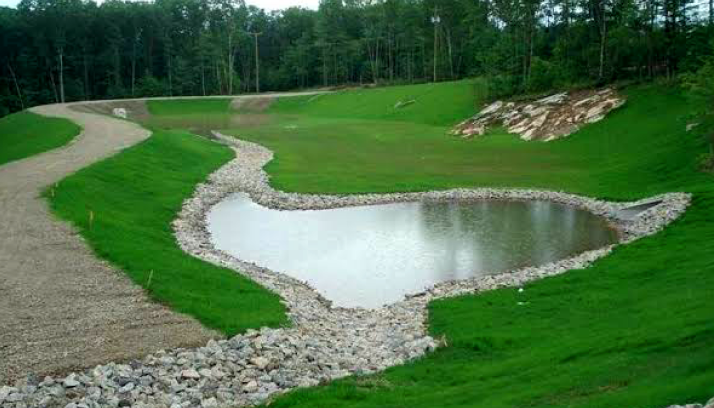
On farmland, in open grasslands, in urban recreation areas, and even throughout cities, we can make use of the natural contours in the landscape to build water traps. This practice does not require much effort, but the results are transformative. By capturing and storing excess rainwater runoff in these strategically placed water traps, we help saturate the surrounding soil, promoting plant and tree growth. This approach is particularly relevant in drier regions of every country, where rainfall is scarce and water conservation is critical.
One effective technique is to sculpt shallow basins at multiple points along the natural contours of the land. These basins act as reservoirs, retaining valuable life-giving water that would otherwise be lost to runoff. When combined with efforts to regenerate wetlands, this practice can have a profound impact on local ecosystems and microclimates. Wetlands, in particular, serve as natural sponges, filtering water, supporting biodiversity, and stabilizing the environment. Together, these measures create healthier habitats and cooler, more resilient landscapes.
In addition to nourishing plants and trees, these water traps provide essential drinking water for birds, insects, and other wildlife, especially during dry spells or periods of heat stress. They also contribute to cooling the surrounding air, creating more comfortable and livable environments for both humans and animals.
By integrating these simple yet powerful techniques into our landscapes, we can address water scarcity, enhance biodiversity, and mitigate the effects of climate change. Whether you’re working on a small urban lot or a large agricultural property, these strategies offer an accessible way to support the health of the planet while establishing deeper connections to the natural world.
Under-road wildlife tunnels
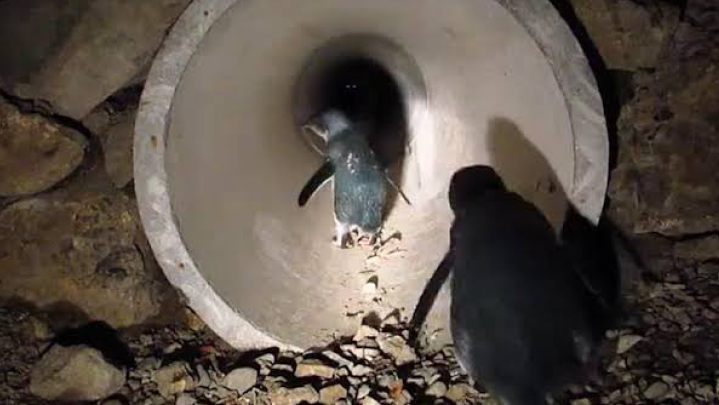
The amount of wildlife killed on our roads daily is unacceptable and highlights how shortsighted and careless we have been, and continue to be in planning and constructing roads and highways. In many cases, animals can easily adapt to using small-diameter bore tunnels and under-road passageways to safely cross roads, particularly in areas where they traditionally travel for feeding, breeding and migration.
Take for example the Pukekohe, a protected waterbird native to New Zealand. This species migrates from wetlands to open plains during breeding season to feed and raise their young. Tragically, dead or seriously injured Pukekohe are frequently found along busy roads as they attempt to cross, leading their vulnerable hatchlings behind them during breeding seasons. These heartbreaking scenes are not unique to New Zealand, they are repeated worldwide wherever human infrastructure intersects with wildlife habitats.
How long do we intend to coexist with these creatures and all other living beings on this planet? Will it be for a single human lifetime, a few hundred years, or tens of thousands of years? The answer depends on the choices we make today. By failing to address these issues, we risk eroding biodiversity and severing the delicate balance of ecosystems that sustain life on Earth. And worse, we maintain that careless and apathetic mindset that we pass onto our children.
The simple but practical solution to construct under-road tunnels will allow wildlife safe passage through their natural habitats and breeding grounds. Over time, and after several generations of breeding cycles, animals will become accustomed to using these tunnels, reducing roadkill and preserving key ecological connections.
You can play a role in making this happen. Start by lobbying your local government representatives to prioritize wildlife-friendly infrastructure projects. Advocate for the inclusion of under-road tunnels, wildlife crossings, and other measures that protect both animals and drivers. Additionally, raise awareness within your community about the importance of coexisting with wildlife and the steps we can take to minimize harm.
By taking action now, we can encourage future generations to build a world where humans and wildlife thrive together.
Over-road wildlife bridges
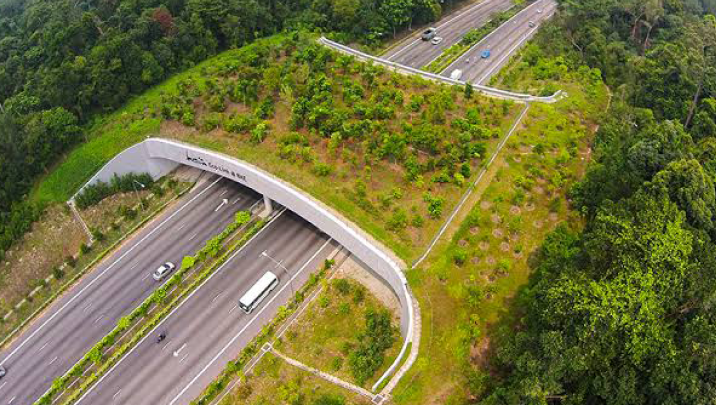
Encourage your community group to identify the main animal routes that intersect with busy roads in your area. Once these critical crossing points are mapped, lobby your local council to construct either over-road wildlife bridges or under-road tunnels. These structures can significantly reduce roadkill and provide safe passage for animals traveling between feeding, breeding, and migration areas.
This compassionate and humane approach should become a universal standard for all road planning and construction projects worldwide. Care and concern for all living things must be integral to any intelligent, inspired, and evolved vision of humanity’s future, and that begins with you, now. Every decision we make and every action we take must align with simple yet inclusive guiding principles for coexisting harmoniously with the natural world.
By prioritizing the needs of wildlife alongside human infrastructure, we protect biodiversity and demonstrate our commitment to being responsible caretakers of the planet. Over-road bridges planted with natural local vegetation and under-road tunnels designed to mimic natural pathways can serve as practical solutions that benefit both animals and ecosystems.
Start by raising awareness within your community about the importance of wildlife crossings. Work collaboratively with local authorities, environmental organizations, and other stakeholders to advocate for their implementation. We can create a future where humanity thrives alongside all forms of life, creating a world that is sustainable, equitable, and deeply connected to life itself.